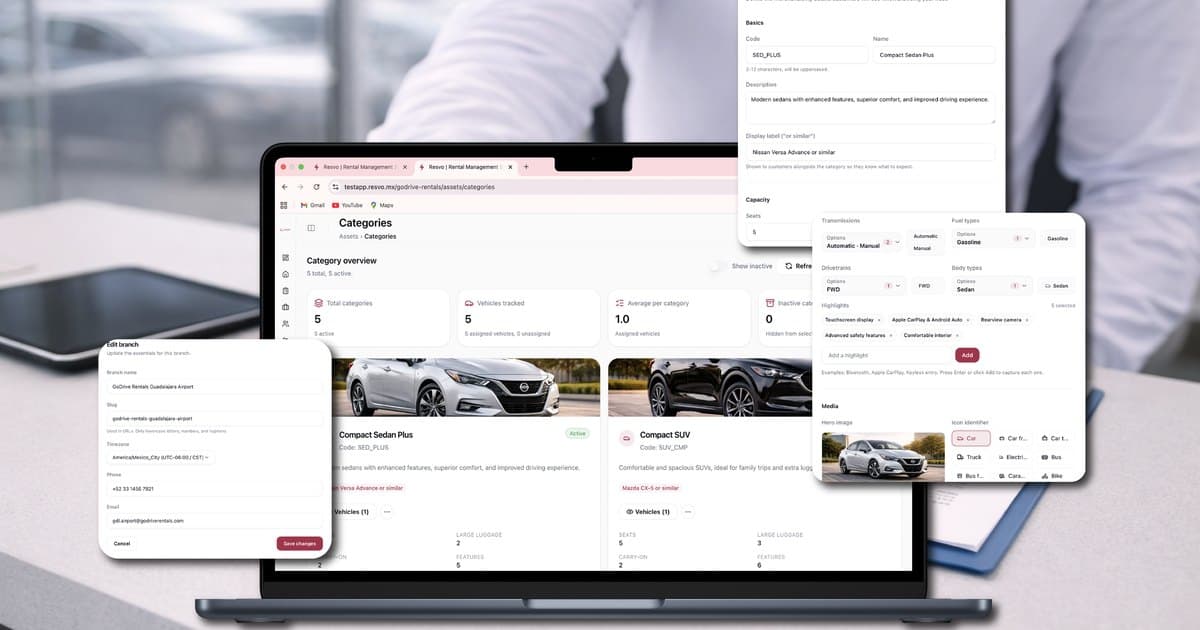
For automotive groups, idle used-car inventory is not just a sales problem. It is also an operating opportunity. The right rental model can turn underused inventory into short-term revenue without requiring a fully separate business unit on day one.
That is what makes monetizing idle used-car inventory with rental so attractive. You already have the assets. The question is whether you can activate them without creating a messy shadow operation.
Start with the inventory you can actually control
Not every vehicle should be activated for rental. The best early candidates are usually:
- Used cars with slower sales velocity
- Demo or test-drive units
- Replacement-ready vehicles tied to service demand
- Inventory with predictable maintenance and document status
The goal is not to throw the whole lot into rental. It is to identify the units that can generate revenue before sale without disrupting the primary retail business.
Think in lifecycle, not in one transaction
The real model is not "sell or rent." It is:
- Acquire or list the vehicle
- Activate it for short-term or replacement rental
- Generate controlled revenue while it sits
- Deactivate and move it back to sales when needed
That lifecycle only works if activation and deactivation are easy, pricing is clear, and protection controls are already in place.
Use this unit economics lens
Scroll to compare every column
| Lever | Why it matters |
|---|---|
| Days rented per month | Determines whether rental meaningfully offsets holding cost |
| Daily rate | Must reflect both demand and downstream resale sensitivity |
| Downtime and readiness | Idle time can erase the upside fast |
| Protection stack | KYC, deposit, contract, GPS, and insurance reduce avoidable loss |
| Exit flexibility | The unit must be removable from rental without operational drama |
Even modest occupancy can make a difference if the inventory would otherwise sit dormant.
Start with one pilot model, not five
Most groups get traction faster when they launch with one narrow model instead of trying to support every rental use case on day one. Common starting points include:
- Service replacement: vehicles support workshop customers and create more predictable local demand
- Used-car holding inventory: slower-moving units generate revenue while waiting for sale
- Dealer mobility or subscription-lite: selected customers get access to controlled short-term usage
Each model can work. The important part is to pick one with clear demand, simple protection logic, and obvious ownership.
Define ownership before launch
Rental around seminuevo inventory usually fails when no one owns the tradeoffs between sales, service, and branch execution.
Scroll to compare every column
| Decision area | Team that should usually own it |
|---|---|
| Which units can enter rental | Inventory or used-car leadership |
| When a vehicle must leave rental for sale | Commercial or inventory leadership |
| Daily readiness and handoff quality | Rental operations or branch team |
| Contract, payment, and customer screening policy | Rental operations with finance support |
| Damage or dispute escalation | Operations manager or designated approver |
That governance matters more than most groups expect. Without it, every activation becomes a negotiation.
Set exit rules before the first rental
The program stays clean when the group decides in advance:
- What mileage or age thresholds remove a unit from rental
- What conditions trigger maintenance before another booking
- Which vehicles must return to sales immediately when a qualified buyer appears
- Whether certain categories can only be rented on short windows or replacement cases
- What minimum documentation is required before reactivating the unit
These rules protect the resale side while still allowing the rental side to contribute revenue.
Watch for cannibalization, not just occupancy
A pilot can look healthy because vehicles are being rented, while still hurting the retail side if the wrong units are trapped in the wrong moments. Review questions like:
- Did rental keep high-intent buyers from accessing the vehicle when needed?
- Are units coming back with condition or mileage changes that hurt resale value?
- Did service or sales teams lose confidence in asset availability?
The goal is not simply to rent more days. The goal is to create incremental value without weakening the core dealership business.
Where operators usually get this wrong
Automotive groups tend to underestimate one of two things:
- They treat rental like an informal side process with weak controls
- They overbuild the program before proving demand on a smaller inventory set
The better path is to start with a narrow operating scope, connect the revenue flow, and prove repeatability before expanding.
What the minimal operating stack should include
To run this model cleanly, you need:
- Fast activation and deactivation by vehicle
- Rental pricing rules by asset type
- Digital contracts and payment handling
- Customer screening and protection logic
- Visibility across branch, service, and inventory teams
If those workflows remain manual, the group creates new revenue but also new uncertainty.
Use a pilot scorecard before you expand
Before adding more units, branches, or vehicle types, review whether the first batch is actually healthy. A simple scorecard can include:
- Days rented per month by activated unit
- Revenue generated before sale
- Number of dispute or damage cases
- Average time to activate and deactivate inventory
- Number of times a unit was needed for sale but trapped operationally in rental
If those signals are weak, scale will usually amplify the mess instead of the return.
Where Resvo fits
Resvo helps automotive groups activate rental around real inventory control instead of ad hoc branch work. It keeps asset status, contracts, payments, verification, and branch-level visibility connected so rental can complement the used-car lifecycle instead of conflicting with it.
For the broader software lens, review best car rental software. For pricing logic, continue with car rental pricing strategy. To see how the workflow fits your group, explore See how it works or Book a demo.